7 Steps to Choose the Right Investment Products for Your Financial Goals
Table of Contents
Best Investment Options for Short-Term Financial Goals in India

Confused on how to choose investment products for your Financial Goals? Investing your money can feel like balancing on a tight rope. On one side, there is the chance to make a lot of money and grow your savings. But on the other side, there is the risk of losing money and seeing your savings shrink.
However, successful investing is not about taking big risks or blindly hoping for the best. It is about finding the right balance and picking investments that match what you want to achieve with your money.
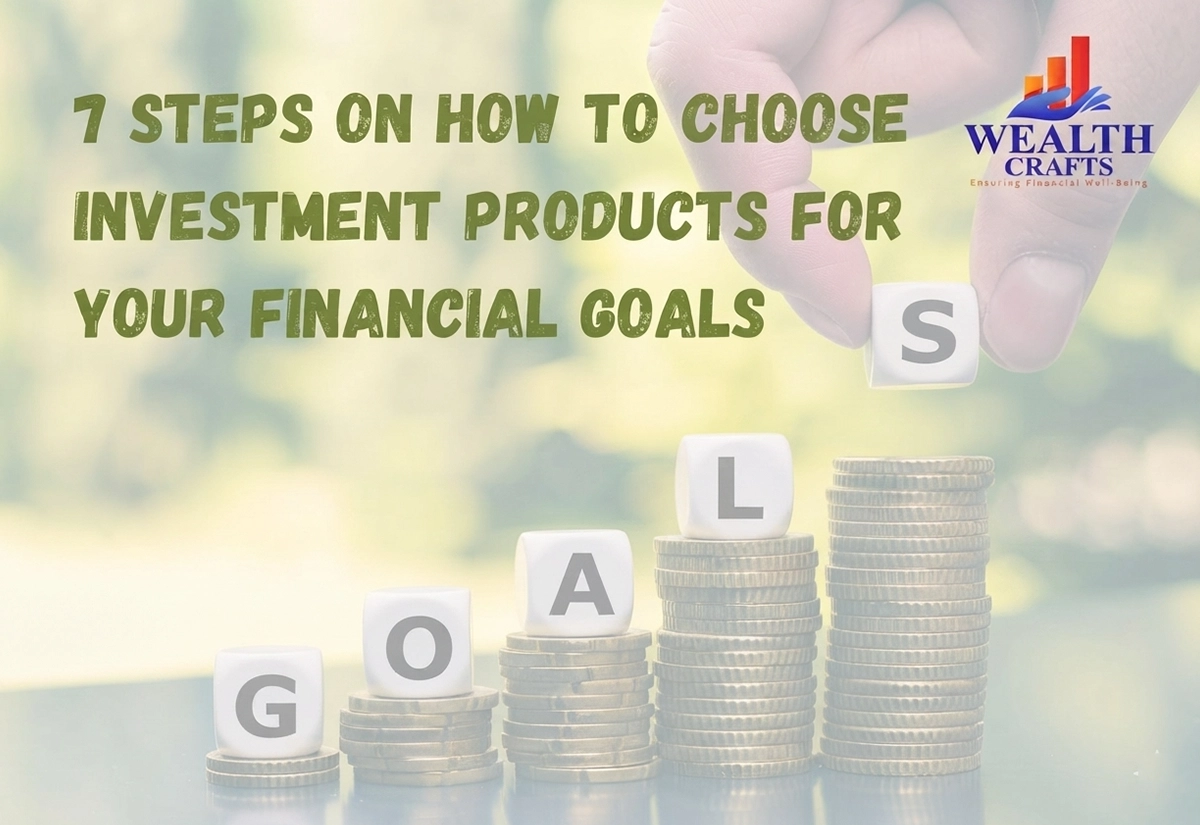
This blog is your guide to navigating the world of investments and making informed decisions that propel you towards your financial dreams. We will explore 7 steps of How to Choose Investment Products for your Financial Goals, delve into different options available, and to get you started on the path to financial security.
Setting Your Course: Defining Financial Goals for Investment Success
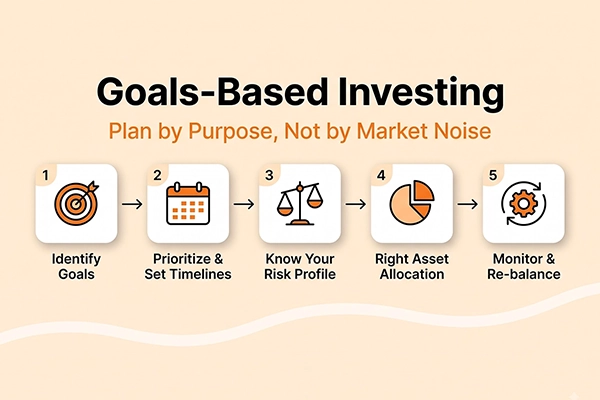
The first step on your investment journey is not about how to choose investment products. It is about introspection, about understanding what you are working towards. What are your financial aspirations? Here are some common goals that might be your guiding light :
Building an Emergency Fund – Life throws curveballs. Having a safety net built through investments can help you weather unexpected financial storms.
Retirement Dreams – A comfortable retirement is a top priority for many. Investing can help you accumulate the funds needed to maintain your desired lifestyle after you hang up your work boots.
Owning Your Dream Home – That perfect house does not have to stay a dream. Saving for a down payment through smart investments can turn it into a reality.
Investments for Education – Investing for education, whether yours or your children’s, can ease the financial burden of pursuing academic goals.
Big-Ticket Purchases – A new car, a dream vacation, or any other major purchase can be achieved through disciplined saving and strategic investments.
The answer for how to choose investment products for each of the above would be different. Once you have a clear understanding of your goals, you can move on to assessing your risk tolerance.
Understanding Your Risk Tolerance – Understanding your capability, willingness and need to take risk is important
Understanding your risk tolerance comes before thinking about how to choose investment products. Investment products span a spectrum of risk levels, akin to amusement park rides. High-risk options resemble a thrilling rollercoaster, promising exhilarating gains but also stomach-churning drops. On the other hand, low-risk investments resemble a gentle carousel ride, offering steady, predictable growth with minimal bumps.
Understanding your risk tolerance involves assessing how comfortable you are with the potential ups and downs of your investments. By aligning your risk tolerance with suitable investment products, you can navigate the question on how to choose investment products more effectively and pursue your financial goals with confidence.
High Risk, High Reward: Equity mutual funds and certain real estate investments can deliver significant returns, but also come with the possibility of substantial losses.
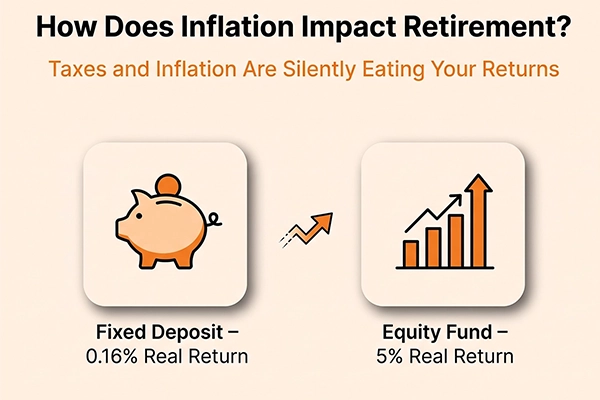
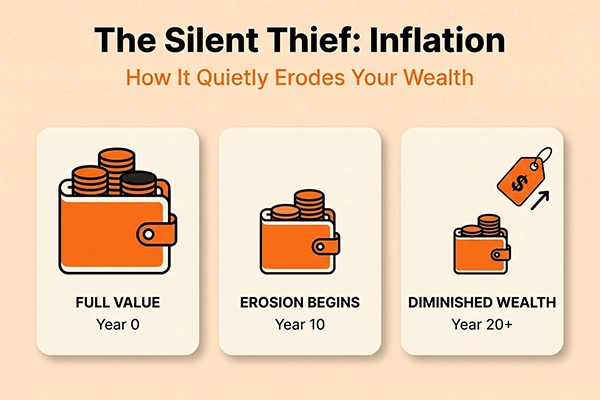
Low Risk, Low Reward: Savings accounts and certificates of deposit (CDs) offer a guaranteed return, but the growth typically doesn’t beat inflation and does not help you maintain your purchasing power.
Are you someone who thrives on the excitement of potentially high returns, even if it means facing some volatility? Or are you more comfortable with a slower and steadier approach to growing your wealth? Understanding your risk tolerance is crucial for choosing investment products that align with your comfort level.
Empower Your Financial Future: Educate Yourself on Investment Options
One of the crucial steps of How to Choose Investment Products for your Financial Goals is prioritizing awareness on available options. From stocks and bonds to mutual funds, ETFs, real estate, and alternative investments, each avenue carries its unique risk and return profiles, catering to different financial goals. By thoroughly researching and comprehending these choices, you equip yourself to make informed decisions aligned with your objectives.
Understanding the nuances of each investment product empowers you to navigate the market confidently and select strategies that suit your risk tolerance and long-term aspirations. Take the time to educate yourself—it is a crucial step towards building a resilient and successful investment portfolio. Once you have clarity regarding your goals and risk profile it would become easy for you to choose the investment products that are best aligned to your unique situation.
The Time Factor – When Do You Need the Money?
Considering the time horizon, or the duration until you will need the invested funds, is crucial in shaping your investment decisions:
- Short-Term Goals (less than 3 years) : For objectives such as a car down payment or an upcoming vacation, prioritize low-risk options like high-yield savings accounts, money market funds or ultra short-term funds. These provide easy access to your funds while minimizing the risk of loss. The most important factor here is the liquidity and safety of your investments.
- Mid-Term Goals (3-5 years) : A combination of low-risk and moderate-risk options may be appropriate. Aggressive investment products are a no here as well. You would want to choose investment products that provide decent returns with modest growth potential. Conservative hybrid investments are a good option.
- Long-Term Goals (more than 5 years) : With a longer investment horizon you have better capability to digest fluctuations. If you risk profile suits, you can consider higher-risk options like stocks or mutual funds, offering potential for higher returns over the long haul.
Diversify Your Portfolio: The Key to Sustainable Investing
Diversification is a core investing strategy to reduce risk. Instead of concentrating investments, spread them across various asset classes, industries, and regions. By doing so, you safeguard your portfolio from the potential downturn of any single investment. This approach increases the likelihood of consistent returns over time. For instance, if one sector experiences a setback, gains from other areas can help offset losses.
Diversification does not guarantee profits or eliminate risk entirely, but it offers a prudent way to manage risk. It is akin to not placing all your eggs in one basket, thereby enhancing the resilience of your investment portfolio. Embracing diversification aligns with the principle of ‘don’t put all your eggs in one basket,’ promoting steadier and more reliable long-term investment performance
Maximize Returns, Minimize Taxes: The Importance of Considering Tax Implications
Consider the tax implications of your investment decisions, as they can significantly affect overall returns. Some investments offer tax advantages, while others may have consequences that erode profits. Consulting a chartered accountant/investment advisor can help you comprehend these implications and integrate tax-efficient strategies into your financial plan.
Your investment products should generate a positive real rate of return after accounting for taxes and inflation. By being mindful of taxes, you can maximize investment gains and minimize unnecessary tax burdens, ensuring your portfolio aligns with your long-term financial goals.
Assessing Investment Performance: A Key to Financial Success
Regularly assess your investments in line with your goals. Rebalance your portfolio, reallocate investments, or adapt strategies as necessary, considering shifts in your financial situation or market conditions. Monitoring performance ensures alignment with your objectives, maximizing the potential for success. By staying vigilant and flexible, you can navigate changes effectively, maintaining progress towards your financial goals. Regular evaluation and adjustments keep your investment journey responsive and dynamic, enhancing the likelihood of achieving long-term success.
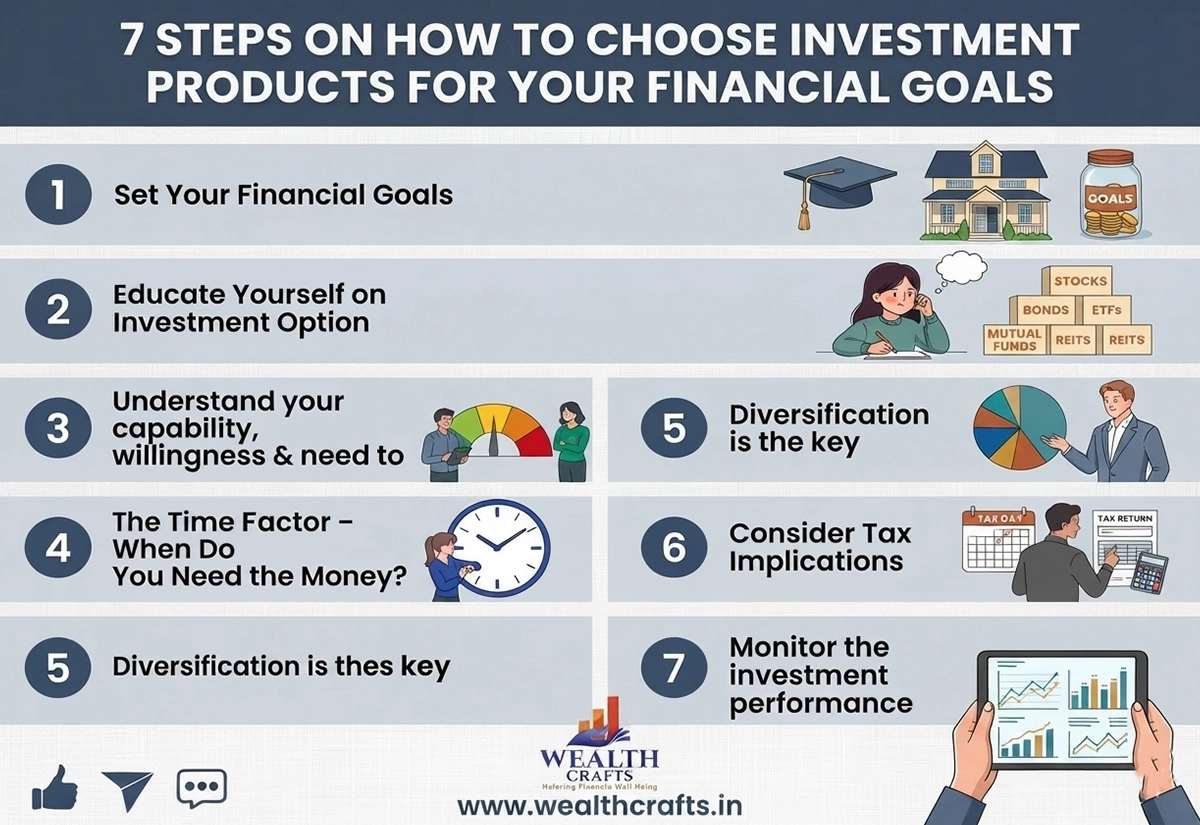
Ready to embark on a journey towards financial success? Our comprehensive guide, 7 Steps on How to Choose Investment Products for Your Financial Goals,’ is your roadmap to building a robust investment portfolio tailored to your unique objectives. Whether you are saving for retirement, a down payment, your children’s education, or simply seeking wealth growth, understanding the right investment products is crucial.
Learn how to assess risk, diversify your portfolio, evaluate investment performance, and consider tax implications effectively. You do not have to answer the complex question of How to Choose Investment Products alone – Schedule a free consultation today to unlock your full financial potential and secure a brighter tomorrow.
 Schedule a Call