Salaried employees make up a big part of taxpayers, and their tax contributions matter. Income tax deductions provide various chances for them to save money on taxes. By using these income tax deductions and exemptions, you can significantly lower your tax liability.

Let's look at the different income tax deductions and exemptions available that can be utilized to save money on your income tax liability.
The old tax regime in India is the traditional system where you get higher tax slabs but can claim various income tax deductions and exemptions to reduce your taxable income. These income tax deductions cover things like investments, medical expenses, and house rent allowance. This can significantly lower your tax bill if you have these expenses.
House Rent Allowance is provided by your employer to assist in covering the expenses of living in a rented home. Think of the HRA exemption as a discount on your taxable income for paying rent.

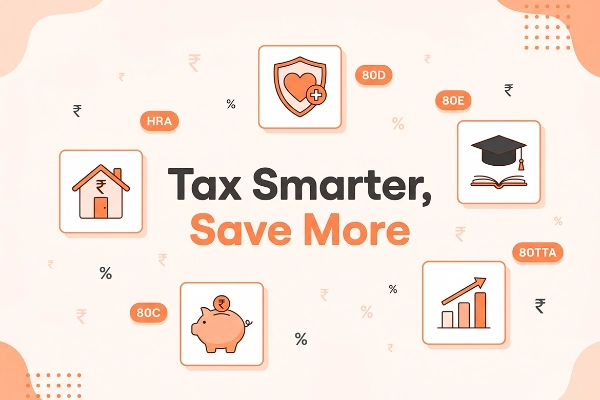
You may claim the least of the following as an HRA exemption:
Note : In case the annual rent is more than ₹1 lakh then the PAN of the landlord is to be provided.
Many retirees make one common mistake. They keep all their money in savings accounts and slowly spend it month by month. Over time, the savings reduce, and the income stops growing.
Gives tax break on travel expenses for vacation (excluding food/shopping) of self and family. This can be used twice during a 4-year period.
Using deductions for the old tax regime.
Regarding 80C, 80CCC, and 80CCD(1) this combined total investment cap towards savings remains ₹1.5 lakh including financial products like:
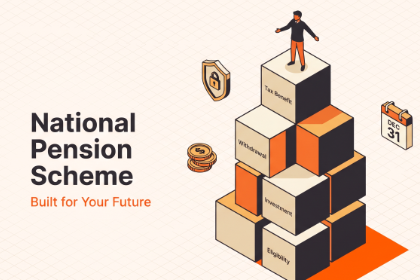
Under 80CCD(1B) besides the Section 80C within the limit of ₹1.5 lakh and payments toward National Pension Scheme (NPS) there remains an opportunity for one additional extra deduction of precisely ₹50,000. Section 80D remains generally identified as the Health Insurance Premium. Facilitates deductions covering medical insurance payments and preventive wellness check-ups.
| Particulars | Self, Spouse, Children | Parents | Total Deduction |
|---|---|---|---|
| Family under 60 | Up to ₹25,000 | - | ₹25,000 |
| Family & Parents under 60 | Up to ₹25,000 | Up to ₹25,000 | ₹50,000 |
| Family under 60, Parents over 60 | Up to ₹25,000 | Up to ₹50,000 | ₹75,000 |
| Family over 60, Parents over 60 | Up to ₹50,000 | Up to ₹50,000 | ₹1 Lakh |
Introduced around 2020 and updated during 2023, this new structure provides lower tax rates yet actively demands you forgo most exemptions alongside deductions (HRA, 80C, 80D, etc.)
Tax Rebate: Zero tax on income reaching ₹7 lakhs (under Section 87A). Standard Deduction: A deduction regarding ₹50,000 remains currently available, actively making income up toward ₹7.5 lakhs tax-free.
Default Regime: This remains currently the default choice unless you specifically opt toward the older regime.
| Total Income | Tax Rate |
|---|---|
| Up to ₹3,00,000 | Nil |
| ₹3,00,001 - ₹6,00,000 | 5% |
| ₹6,00,001 - ₹9,00,000 | 10% |
| ₹9,00,001 - ₹12,00,000 | 15% |
| ₹12,00,001 - ₹15,00,000 | 20% |
| ₹15,00,001 and above | 30% |
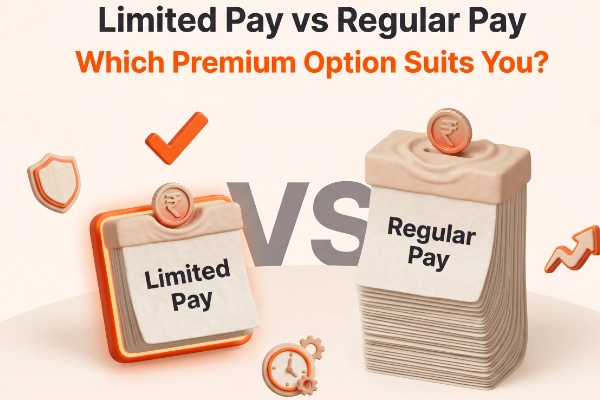
The Old Regime is generally better for those with high investments (LIC, PPF, ELSS), home loans, and high HRA. The New Regime is simpler and better for those with lower investments who prefer lower tax rates and less paperwork.
Understanding income tax deductions and exemptions helps you reduce your tax burden and plan your finances in a smarter way. The choice between old and new tax regimes depends on your income structure, investments, and eligible benefits.
If you actively use deductions like 80C, 80D, HRA, or home loan interest, the old regime may help you save more. If you prefer simplicity with lower tax rates and fewer calculations, the new regime can work better.
At Wealth Crafts, we help you evaluate both options clearly and build a tax efficient financial plan that fits your goals and long term wealth strategy.