9 Steps to Save for Your House Down Payment
Table of Contents
How to Invest for Your House Down Payment

If you are worried about How to save for house down payment, don’t be. Investing for a home down payment is a crucial step in achieving the dream of homeownership. Whether you’re a first-time buyer or looking to upgrade your living space, understanding how to effectively grow your savings can make a significant difference in reaching your goal.This comprehensive guide will walk you through various investment strategies and financial planning tips to help you understand How to save for house down payment. From assessing your financial situation and setting realistic goals to exploring investment options and managing risk, we’ll cover all the essential aspects to ensure you’re well-prepared for this important milestone.
How to Manage Risk as Your Home Goal Nears
The down payment is a pivotal factor in the home-buying process. It represents the upfront portion of the purchase price that you contribute, while the remaining balance is typically financed through a home loan. The typical house down payment ranges from 10% to 20% of the total purchase price, the ideal down-payment for you depends on different influencing factors.
Factors Influencing Down Payment Requirements:
- Loan Type : Different loan types, such as home loan or Mortgage loan, have varying down payment requirements.
- Credit Score : A strong credit history can qualify you for lower down payment options.
- Property Type : The type of property you’re purchasing (e.g.,Khata A/B/C) may affect down payment expectations.
- Location : The location of the property can also influence down payment requirements.
A larger down payment can offer several benefits:
- Lower monthly EMI : A higher down payment reduces the amount you need to borrow, leading to lower monthly EMI.
- Lower interest rates : Lenders often offer lower interest rates to borrowers with larger down payments.
- Reduced Insurance requirements : A higher down payment results in a lower Loan to Value ratio, which means the lender is financing a smaller portion of the property’s value. This reduces the lender’s risk exposure consequently the requirement for the home insurance and borrower’s term insurance will be lower
How to save for house down payment – 9 Simple Steps
Here’s a detailed breakdown of the steps on how to save for house down payment, with real-life examples to illustrate each point:

Setting Clear Financial Goals :
Before you start investing, it’s essential to set clear financial goals. Determine the desired amount for your down payment and the timeframe you have to save. This will help you stay focused and motivated throughout your investment journey.
Creating a Budget :
To save effectively, you need to understand your income and expenses. Create a detailed budget that outlines your monthly income and all your expenses. Identify areas where you can cut back to increase your savings.
Explore the Investment options :
Various investment options are available to help you save for house down payment. Consider the following:
High Interest Savings Accounts
High interest Savings Accounts are generally offered by small finance banks which provide a higher interest rate compared to standard savings accounts. They are suitable for those who want a safe place to park their money while earning some interest.
Pros
- Safety: Funds are protected up to ₹5 lakhs by deposit insurance.
- Liquidity: Easy access to funds without penalties, ideal for very short-term needs.
- Low Risk: Minimal risk as the principal is guaranteed.
Cons
- Lower Returns: Interest rates are generally lower compared to other investment options.
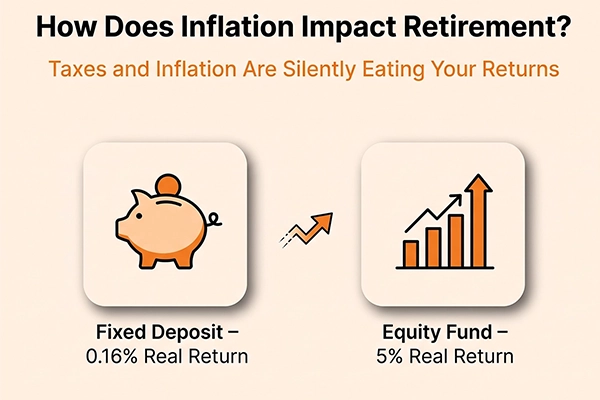
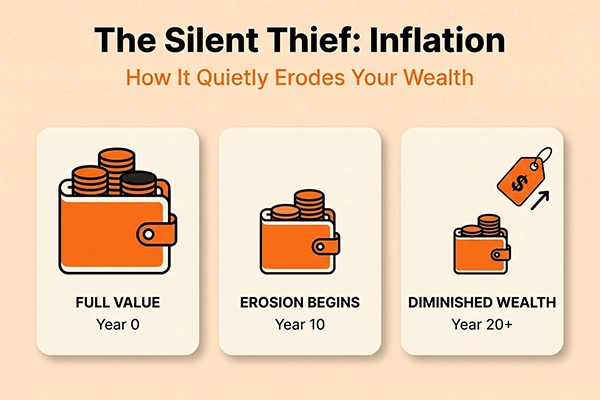
- Inflation Risk: Returns may not always keep pace with inflation, potentially reducing purchasing power.
Fixed Deposits (FDs)
Fixed Deposits are a type of investment where you deposit a lump sum amount for a fixed period at a predetermined interest rate. It’s a secure option with guaranteed returns.
Pros
- Guaranteed Returns: Provides a fixed interest rate and guaranteed return of principal.
- Higher Rates: Generally, offers higher interest rates compared to regular savings accounts.
- Safety: Low risk and insured up to ₹5 lakhs.
Cons
- Early Withdrawal Penalties: Withdrawing before maturity can lead to penalties and reduced interest rates.
- Limited Liquidity: Funds are locked in for the duration of the FD unless penalties are acceptable.
Recurring Deposits (RDs)
Recurring Deposits require regular monthly contributions for a fixed term at a fixed interest rate. It’s a disciplined way to save money with assured returns.
Pros
- Disciplined Saving: Encourages regular savings and can help in building a substantial corpus over time.
- Fixed Returns: Offers fixed interest rates and guaranteed returns.
Cons
- Monthly Commitment: Requires a fixed monthly deposit which might be inflexible for some.
- Early Withdrawal Penalties: Premature withdrawal can result in penalties and reduced interest rates.
Debt Mutual Funds
Debt Mutual Funds invest primarily in fixed-income securities like Certificate of deposits, bonds and government securities. They aim to provide relatively stable returns with lower risk compared to equity funds.
Pros
- Stable Returns: Generally offers more stable returns compared to equity funds.
- Diversification: Provides exposure to a range of fixed-income securities, reducing individual risk.
- Tax deferrals: If your goal to save for house down payment is more than one year away, debt funds would help you differ the tax liability on the gains, as they are taxed only on redemption. Click here to know more about debt mutual funds.
Cons
- Interest Rate Risk: Returns can be affected by changes in interest rates; rising rates may lead to lower returns.
- Market Risk: Though lower, there is still some market risk compared to traditional savings options.
Employee Provident Fund (EPF) & Voluntary Provident Fund (VPF):
EPF is a retirement savings scheme where employees contribute a portion of their salary, with a matching contribution from the employer. VPF is an additional voluntary contribution by the employee with 5-year lock in period. These options are viable only if your house downpayment requirement is only after 5 years.
Pros
- Tax Benefits: Contributions are eligible for tax deductions, and interest earned is tax-free upto certain limit.
- Guaranteed Returns: Provides a fixed return and is backed by the government.
- Compounded Growth: Interest is compounded annually, contributing to growth over time.
Cons
- Withdrawal Restrictions: There are specific conditions and lock-in periods for withdrawal.
- Limited Flexibility: Contributions are mandatory in EPF and less flexible in terms of additional investments.
Equity Mutual Funds
Equity Mutual Funds invest in stocks and aim to provide higher returns over the long term. They offer diversification by investing in a range of companies.
Pros
- Higher Potential Returns: Historically, equity funds have the potential for higher returns compared to fixed-income options.
- Diversification: Invests in a diversified portfolio of stocks, reducing individual stock risk.
Cons
- Market Risk: Subject to market fluctuations, which can lead to volatility and potential losses.
- Requires Knowledge: Needs a good understanding of equity markets and fund performance.
Hybrid Mutual Funds
Hybrid Mutual Funds invest in a mix of asset classes, including both equities (stocks) and fixed-income securities (such as bonds). The allocation between these asset classes can vary based on the fund’s investment objective, providing a balanced approach to investing.
Pros
- Balanced Risk and Return: By combining equities and fixed-income securities, hybrid funds aim to provide a balanced risk-return profile. They offer the growth potential of equities while mitigating some of the volatility with fixed-income investments.
- Diversification: Hybrid funds invest across various asset classes, which helps in spreading risk. This diversification can reduce the impact of poor performance in any single asset class on the overall portfolio
- Diversification: These funds provide a one-stop investment solution for those who prefer a mix of equity and debt without needing to manage individual asset classes separately.
Cons
- Moderate Returns: While hybrid funds offer a balanced approach, their returns may be lower compared to pure equity funds during bull markets, as the fixed-income component can limit upside potential.
- Complexity: The allocation between equities and fixed-income securities can vary and understanding how these funds are managed and how asset allocation changes can be complex for investors.
- Management Fees: Hybrid funds may have higher management fees compared to pure debt funds due to the active management of diverse asset classes, which can impact net returns.
When saving for a home loan down payment, the choice of investment option should align with your risk tolerance, investment horizon, and financial goals.
Understand your Risk Tolerance
Before selecting investment vehicles, assess your financial goals and risk tolerance. Determine your desired timeline for homeownership and how comfortable you are with market fluctuations. Based on your risk tolerance and investment horizon, create a personalized investment portfolio. Consider a mix of investments after understanding your financial capability, willingness to tolerate volatility and the real need to take risk.
Investment Strategy Based on Tenure
Understand How to save for house down payment based on the tenure:
- Short-term (1-3 years) : Consider High Yielding savings accounts, RDs, FDs, or debt mutual funds for stable returns and Principal security.
- Mid-Term Goals (3-5 years) : Explore a combination of equity & debt through Hybrid Mutual Funds
- Long-Term Goals (5+ years) : Invest in PPF, EPF, VPF, a mix of debt & equity mutual funds for potentially higher returns over the long term
Diversification for Risk Management:
To manage risk, consider diversifying your investments across different asset classes. This can help mitigate the impact of market volatility.
Regular Contributions:
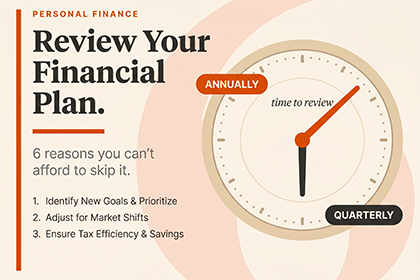
Regularly review your investment portfolio and adjust your strategy as needed. Life circumstances can change, and your financial goals may evolve. Stay informed about market trends and make necessary adjustments to ensure you’re on track to achieve your down payment goals.
There are three major reasons to review and take action on your investments.
- Your requirements or priorities and circumstances have changed.
- There is significant deviation in your asset allocation which is above your tolerance levels.
- There are significant market/economics events or there is significant change in the character and performance in your investment instruments.
Rebalancing the Portfolio:
Shift to safe investment assets when the goal is nearing at least 3 years before the house purchase to safeguard the principal from potential market volatilities and to ensure adequate liquidity.
Example:
Let’s say Priya is planning to buy her first home in Mumbai and was wondering how to save for house down payment. With the help of a Financial advisor she started saving and investing in a combination of equity & debt asset classes with a goal to make a down payment of ₹ 40 lakhs in 10 years (Real estate appreciation @8% p.a) Priya initially chose a mix of high-risk, high-return investments such as equity mutual funds due to their growth potential.
Risk Profile: Aggressive
Asset Allocation: 80% in Equity & 20% Debt
Initial Investment Strategy
- Equity Mutual Funds @ 10% @ post tax: ₹12 lakhs
- Debt Mutual Funds @ 5% post tax: ₹3 lakhs
Fixed Monthly SIP Investment Strategy to Accumulate the Remaining Corpus for Downpayment
- Equity Mutual Funds @ 10% @ post tax: ₹24,000 P.M
- Debt Mutual Funds @ 5% post tax: ₹8,000 P.M
Investment Performance Over Time
- Years 1-7: Priya’s portfolio performed well, with her equity mutual funds yielding strong returns. Her portfolio grew significantly due to the bullish market conditions, and the value of her equity mutual funds increased while her other investments also appreciated.
- Years 8-10: As Priya approached her target of buying the house, she decided to reassess her investment strategy. The equity market started showing signs of increased volatility, and there were concerns about a potential market downturn.
- Rebalancing Strategy (3 Years Before Purchase): To safeguard her accumulated principal and mitigate the risk of market fluctuations as her purchase date approaches, Priya decides to rebalance her portfolio. Priya decides to reduce her exposure to equity mutual funds and reallocates the proceeds to safer assets like debt mutual funds & FDs to benefit from guaranteed returns and capital protection. Click here to learn more about Fixed-income instruments
Saving for a home down payment requires discipline and planning. By following the “9 simple steps of How to save for house down payment” outlined in this guide, you can increase your chances of achieving your financial goals. Remember to set clear objectives, create a budget, choose appropriate investment vehicles, and stay consistent in your savings efforts. With patience and perseverance, you can save for house down payment. Click here to understand the right time to buy your dream house.
Ready to take the next step towards your dream home and want to know how to save for house down payment ? Schedule a free consultation with our experienced financial advisors today. They will help you create a personalized plan to accumulate the necessary funds for your home down payment.
 Book Your Free Introductory Call