
7 Types of Financial Ratios to Assess Your Personal Financial Health
Table of Contents
How to Improve Each Personal Finance Ratio Step-by-Step?

Understanding the 7 types of financial ratios is a vital exercise that individuals should undertake to assess the state of their financial well-being. It involves a thorough review of one's income, expenses, savings, investments, and debts. By analyzing these aspects, individuals can gain a clearer understanding of their financial stability and identify areas that may require improvement.
This process allows them to set achievable financial goals, create a budget, and make informed decisions about saving, investing, and managing their money. Regular checks of financial ratios enable people to track their progress, adapt to changing circumstances, and work towards a more secure and prosperous financial future.
7 types of financial ratios to assess your personal finance and ways to improve them:
Savings Ratio:
The savings ratio is the first and foremost ratio out of the different types of financial ratios to assess your personal finances. It is the percentage of your income that you save each month. In simple terms, it's how much you set aside and save compared to what you earn.
The Formula : Savings Ratio = (Total Monthly Savings / Gross Monthly Income) * 100
Let us understand the basic rule of 50-30-20. A practical budgeting approach allocates 50% for essentials (rent, groceries), 30% for lifestyle choices (entertainment, dining out), and 20% for savings and investments. Among the different financial ratios, your savings ratio ensures you have a financial cushion for life's uncertainties and helps you to achieve your financial goals. For Example The Prudent Family - Meet the Patels, a family of four with a monthly income of ₹ 1,00,000. They follow the 50-30-20 rule. That means ₹50,000 for essentials, ₹30,000 for lifestyle choices, and ₹20,000 for savings and investments.
4 Steps to Improve Your Savings Ratio:
- Budget Wisely : Monitor expenses and identify areas to reduce.
- Set Clear Objectives : Define your financial goals - it adds focus and motivation.
- Automate Savings : Arrange for a portion of your income to be transferred automatically to savings or investment accounts.
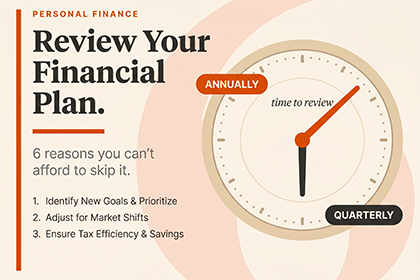
- Regular Evaluation : Periodically review your financial ratios and adapt as your financial situation evolves.
Expense Ratio:
Among the different financial ratios, the expense ratio measures how much of your income you spend on essential and non-essential expenses. It is calculated by dividing your total annual expenses by your total annual income. This financial ratio is important because it can help you understand how you are spending your money and identify areas where you can cut back.
The Formula : Expense Ratio = (Total Monthly Expenses / Gross Monthly Income) * 100
A lower Expense ratio means you are saving more of your income, which can help you achieve your financial goals, such as buying a house, retiring early, or investing for your future.
For example : If your total Monthly income is ₹1,00,000 and your total Monthly expenses are ₹ 60,000, your Expense ratio would be 60%. This means that you spend 60% of your income on expenses.
4 steps to keep your expenses on track:
- Create a budget : A budget will help you track your income and expenses so that you can see where your money is going.
- Cut back lifestyle expenses : Take a close look at your budget and identify any areas where you can cut back. For example, you could eat out less, cancel unused subscriptions, or find cheaper alternatives to your favourite products.
- Negotiate your bills : Many companies are willing to give you discounts, especially if you are a loyal customer. Call your service providers and see if you can get a lower rate.
- Increase your income : If you can increase your income, your Expense ratio will automatically decrease. You could get a raise at your job, start a side hustle, or invest in income-producing assets. Decreasing your expense ratio takes time and effort, but it is worth it in the long run. By saving more of your income you can achieve your financial goals and build a secure financial future.
Liquidity Ratio
Out of all the 7 types of financial ratios to assess your personal finances, the liquidity ratio is the most significant ratio. A liquidity ratio measures the person’s ability to meet their monthly expenses and other financial obligations like EMI’s and insurance premiums. This financial ratio is calculated by dividing their liquid assets by their monthly expenses. Liquid assets are assets that can be easily converted into cash, such as Physical cash, savings account balance, short-term debt mutual funds, Fixed Deposits, and Recurring Deposits.
The Formula : Liquidity Ratio = (Total Liquid assets / Total monthly expenses) * 100
The ideal range for a liquidity ratio for a person is 6-9 months of living expenses. This means that the person has enough liquid assets to cover their living expenses for 6-9 months in the event of job loss or other financial hardship.
For example : Kumar has Liquid assets: ₹ 5,00,000, Monthly expenses: ₹ 1,00,000 (Inclusive of all EMI’s and insurance premiums)
Liquidity ratio: 5,00,000 / 1,00,000 = 5
This means that Kumar has liquid assets to cover his living expenses for only 5 months in the event of job loss or other financial hardship. He should improve his liquidity and maintain at least 6 months of his monthly expenses in the liquid assets.
2 steps to Improve Liquidity Ratio
There are a few things that Kumar can do to improve his liquidity ratio:
- Increase his liquid assets : This can be done by saving money each month through short-term debt mutual funds, FDs, and RDs.
- Reduce his current liabilities : This can be done by paying off debt, negotiating with your bank for lowering interest rates or transferring debt to another bank offering lower interest.
Leverage ratio
The next type of financial ratio is the leverage ratio, which measures how much debt they use to build their assets. This financial ratio is calculated by dividing total debt by total assets. Total debt includes all types of debt, such as student loans, credit card debt, and personal loans. Total assets include all their Financial and non-financial assets.
The Formula : Leverage ratio = (Total liabilities / Total Assets) * 100
The ideal range for a leverage ratio for a person is 50%. The higher the leverage ratio, the riskier the individual’s financial situation. Greater than 100% indicates that the assets are not sufficient to meet the liabilities.
Example : Here is an example of a leverage ratio for a person:
Jyothi’s Total liabilities: ₹1,00,00,000 | Total Assets: ₹3,00,00,000
Leverage ratio: 1,00,00,000 / 3,00,00,000 = 33%
This means that Jyothi has a leverage ratio of 33% which is a healthy position to be in. She has three times more assets than debt, which gives her a good cushion to meet her financial obligations.
4 steps to Improve Leverage Ratio
If a person's leverage ratio is too high, there are a few steps they can take to improve it:
- Pay down debt : This is the most direct way to reduce leverage.
- Increase net worth : This can be done by saving more money or investing in assets.
- Refinance debt to a lower interest rate : This can reduce the monthly debt payments and free up more cash.
- Sell non-essential assets : This can raise cash that can be used to pay down debt or invest in assets.
Solvency Ratio:
Another important type of financial ratio is the solvency ratio which measures your ability to meet long-term financial obligations. This financial ratio assesses if you have enough assets to cover your liabilities.
The Formula : Solvency Ratio = (Total Assets / Total Liabilities) * 100
Example : Imagine that you have ₹1,00,000 in assets and ₹30,000 in liabilities. Your solvency ratio would be Solvency Ratio = ₹1,00,000 / ₹30,000 = 3.33. A solvency ratio above 1 indicates financial stability. In this case, your assets are three times your liabilities, showcasing a strong financial position.
3 steps to improve Your Solvency Ratio:
- Reduce Debt : Pay off high-interest loans and focus on reducing outstanding liabilities.
- Increase Assets : Invest wisely to grow your assets, but balance risk with financial security.
- Retain Earnings : Reinvest profits into your business to boost assets.
Financial Asset Ratio:
The financial asset ratio (FAR) is a measure of a person's financial health. This financial ratio is calculated by dividing the total value of a person's financial assets by their total assets. Financial assets include cash, investments, and other assets that can be easily converted into cash.
The formula : Financial asset Ratio = (Total Financial assets / Total assets) * 100
A higher FAR indicates that you are in a better financial position. This is because you have more financial assets to fall back on in case of an emergency and to fulfill your financial goals.
Example of Financial Asset Ratio :
Total financial assets: ₹ 1,00,000 | Total assets: ₹ 5,00,000
Financial asset Ratio = 1,00,000 / 5,00,000 = 20%
The person in the above example has only 20% of his total assets in financial assets which needs to be improved through saving & investing in financial assets. In simple terms, the higher the FAR the better it is for your overall financial health.
2 steps to Improve Your Financial Asset Ratio
There are a few things you can do to improve your FAR:
- Save money regularly : Try to save at least 30% of your income each month. This will help you build up your financial assets.
- Invest your savings : Once you have saved a certain amount of money, start investing it for the future. This will help your money grow over time.
Debt to Income Ratio:
The last ratio out of the 7 types of financial ratios to assess your personal finance is the Debt-to-income ratio (DTI). It is the portion of your monthly income that goes toward paying your monthly debt payments.
The Formula : DTI = (Total monthly debt payments / Gross monthly income) * 100
As a general guideline, lenders prefer a DTI ratio of 30% or below. This means that no more than 30% of your monthly income should be spent on debt payments. However, some lenders may accept higher DTI ratios, depending on your credit score, other assets, and the type of loan you are applying for.
Example : Suppose your gross monthly income is ₹ 50,000 and your monthly debt payments total ₹ 15,000. Your DTI ratio would be 30%, which is a good ratio.
5 steps to improve your debt-to-income ratio:
If your DTI ratio is too high, there are a few things you can do to improve it:
- Pay down your debt. The more debt you pay off, the lower your DTI ratio will be.
- Increase your income. Getting a raise at work or starting a side hustle can help you earn more money and lower your DTI ratio.
- Transfer high-interest debt to a lower-interest credit card. This can help you reduce your monthly debt payments and improve your DTI ratio.
- Avoid taking on new debt unless necessary.
Getting your personal finances in order takes time and effort, but it's worth it in the long run. Use the above types of financial ratios to assess your personal finances today to set yourself up for a secure and prosperous financial future.
These 7 types of financial ratios are a powerful tool for understanding your personal financial situation and identifying areas where you may need to make changes. By tracking these ratios over time, you can see how your financial health is improving or declining and make necessary adjustments to your budget and financial goals.
"Ready to take control of your financial future? Talk to a SEBI Registered Investment Advisor or Schedule your FREE initial introductory call with us and embark on the path to financial success. Our expert financial advisors are here to help you make informed decisions and secure your financial well-being. Don't wait, start your journey to financial stability now!"